
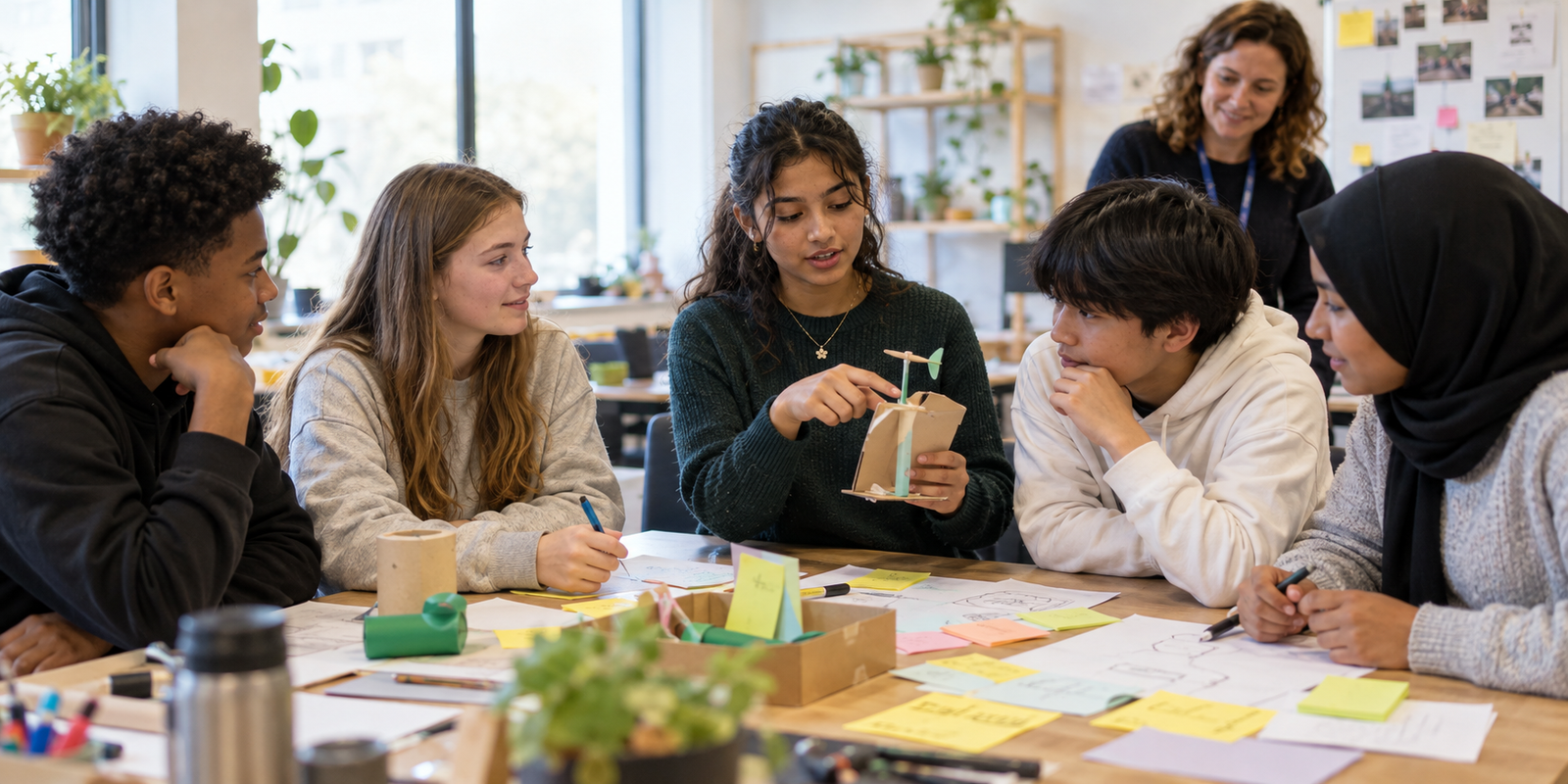
Making a difference locally begins with understanding what people value and what is already happening. A new project can unintentionally duplicate useful work or create extra administration for an organisation that is already stretched.
Young people can contribute thoughtfully by working with a responsible adult and a suitable local partner. The aim is a useful, manageable contribution rather than a large claim about changing a community.
Listen before choosing the activity
Ask a school, club or community organisation what practical task would help. Use an appropriate contact arranged by an adult, rather than asking a child to approach unknown people independently.
The answer may be less dramatic than the original idea: clearer signs, sorted equipment or a short welcome guide. Those tasks can still provide substantial learning and a visible benefit.
Agree the scope and responsibility
Write down what will be delivered, who approves it and when it is complete. Name the adult responsible for permissions, safeguarding, money and any formal commitments.
Keep young people’s work separate from responsibilities requiring professional expertise or access to sensitive information. They should not be asked to provide essential care or handle private service-user data.
Choose a modest measure of usefulness
For a sign, ask whether a visitor can find the right place. For an equipment system, check whether items can be located and returned. For a guide, ask which practical questions remain unanswered.
Hours spent and photographs taken record activity, not necessarily benefit. Seek voluntary feedback from the people using the result, and avoid collecting personal details without a clear need.
Notice unintended effects
A new system may save a participant time but create extra work for staff. An attractive display may be difficult for some users to read. Ask what the project makes harder as well as easier.
Young people can learn that impact is a question to investigate, not a label to attach to any well-intended activity.
Finish with a reliable handover
Provide the agreed files, instructions or materials in a form the partner can use. Confirm who will maintain the result, and do not imply ongoing support that nobody has agreed to provide.
Discuss one decision, one useful outcome and one limit with the learners. For possible project formats, see five community projects, then let local listening determine which, if any, is appropriate.