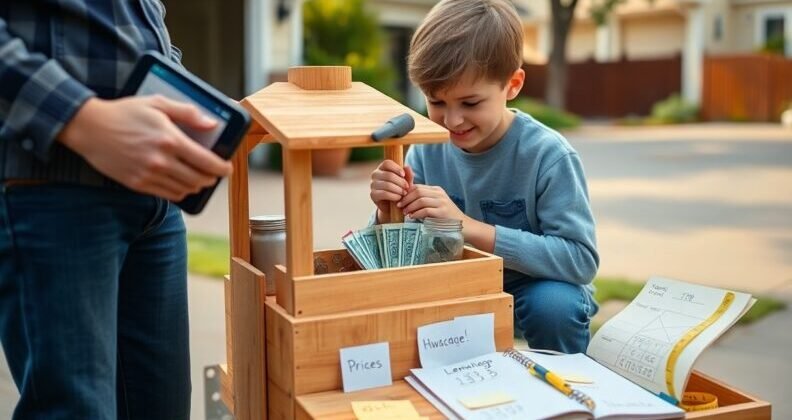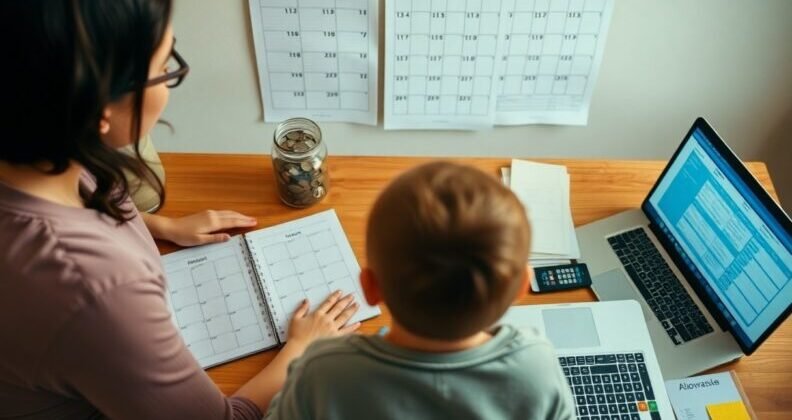
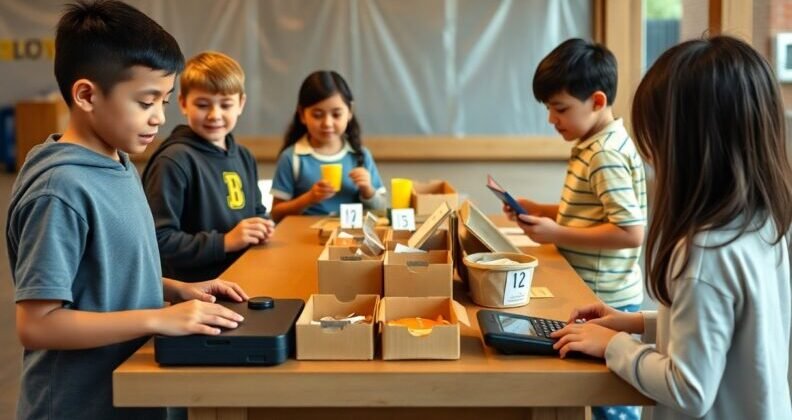
Sustainability becomes more useful as a set of decisions than as a green label attached to a finished product. A young person can explore how materials are chosen, how waste arises and what happens when an item is no longer needed.
The aim is thoughtful improvement within a small project. It is not to claim that one activity is impact-free or to make a child responsible for solving a global problem.
Ask whether the product is needed
Before making a batch, investigate who would use it and why. Unwanted stock can waste materials even when it has an environmentally themed design.
A prototype or a small trial can test usefulness before larger purchases. Make a limited promise that fits what the project can actually deliver.
Keep a material record
Note the source, quantity and known properties of each material. Mark uncertainty rather than filling gaps with assumptions. Adults should check safety, condition and suitability for the intended use.
The record gives the learner a basis for comparing options and explaining a choice. It also reveals where a supplier’s statement needs checking before it becomes part of the project’s marketing.
Measure one improvement
Choose something narrow enough to inspect: sheets used per batch, offcuts generated or packaging pieces required for a comparable item. Keep the comparison fair and describe its limits.
Reducing one material does not prove the whole product has a lower overall environmental impact. Avoid converting a small test into a carbon claim without an appropriate method.
Plan for use and end of use
Consider durability, repair, reuse and clear care instructions. Ask what the user can realistically do with the item later, given its materials and local facilities.
Do not label something recyclable simply because one component can be recycled in theory. The adult should check whether the statement is accurate for the actual product and audience.
Communicate with care
The Green Claims Code provides an adult reference for environmental marketing. Keep statements specific, supported and clear about what part of the offer they concern.
Sustainability learning is strongest when it improves judgement rather than just packaging. For possible projects to investigate, see our low-cost environmental ideas, then choose one that fits a real need and available support.