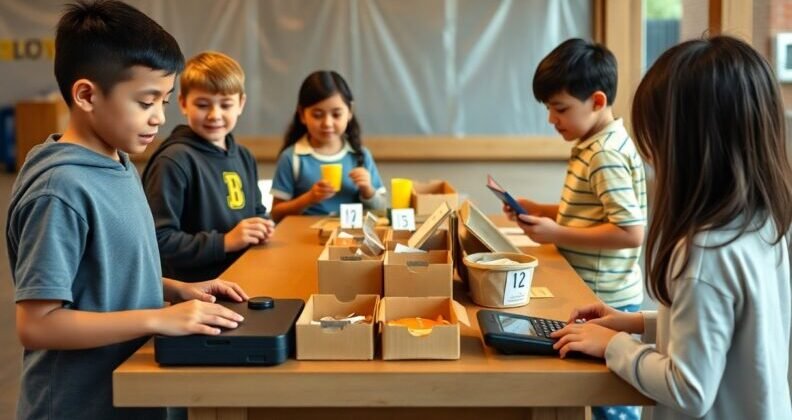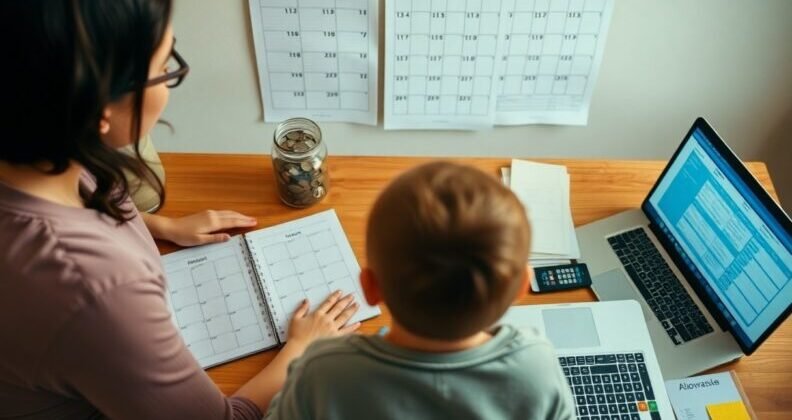

A child may use careful reasoning in a classroom project that a parent never sees. At home, they may organise a collection or explain a practical idea that does not appear in a school record. A modest connection between the two settings can help adults understand what the child is beginning to apply.
This does not require another homework programme. It needs a shared purpose, manageable communication and respect for different family circumstances.
Agree one learning focus
Choose a goal that can appear in more than one setting, such as explaining a choice, checking a quantity or asking a useful question. Describe what it looks like in ordinary language.
“Give one reason for choosing a material” is clearer than asking parents to develop entrepreneurial competence. Teachers and carers can then notice an example without needing specialist business knowledge.
Share the task, not an obligation to buy
If a classroom project has a home extension, make it optional and no-spend. A child might compare two household labels or explain a sketch. Provide materials and an in-school alternative where needed.
Avoid assuming families can supply stock, arrange sales, print resources or provide an audience. A parent’s time and spending power should not determine the child’s opportunity to participate.
Preserve the child’s own contribution
Ask adults to listen and record a short explanation rather than improve the design. A learner’s rough sentence can show more about understanding than a polished paragraph written for them.
Offer spoken, drawn and practical evidence. Adults should agree appropriate permissions before sharing images, and avoid including names, locations or details of other children unnecessarily.
Compare observations with care
A child may speak confidently at home and quietly in class, or work differently with different support. Treat the variation as useful context rather than a contradiction to resolve.
Ask what made participation easier: a familiar partner, visual instructions, more time or a smaller task. That information can improve the next activity in both settings.
Close the loop
Share a specific next step with the child and the relevant adults. Perhaps they will test the label with another reader or count materials before beginning the next model.
The purpose of partnership is to make learning more understandable and accessible, not to add surveillance or paperwork. Our primary enterprise overview explains the wider educational purpose, while short shared observations show what it means for an individual learner.